

Hot Spot Replacement Cover Buying Guide: Fit, Warranty, and What Actually Matters
Posted by HTSS Team on Sep 7th 2026
Hot Spot Replacement Cover Buying Guide: Fit, Warranty, and What Actually Matters
A Hot Spot spa's cover does more work than most owners realize, holding in heat and keeping the spa protected between uses, right up until it starts sagging or absorbing water and quietly costs you more to run. Buying the right replacement is straightforward once you know what to check: your exact model, the right dimensions, and construction quality that will actually hold up. This guide walks through the process for Hot Spot owners specifically.
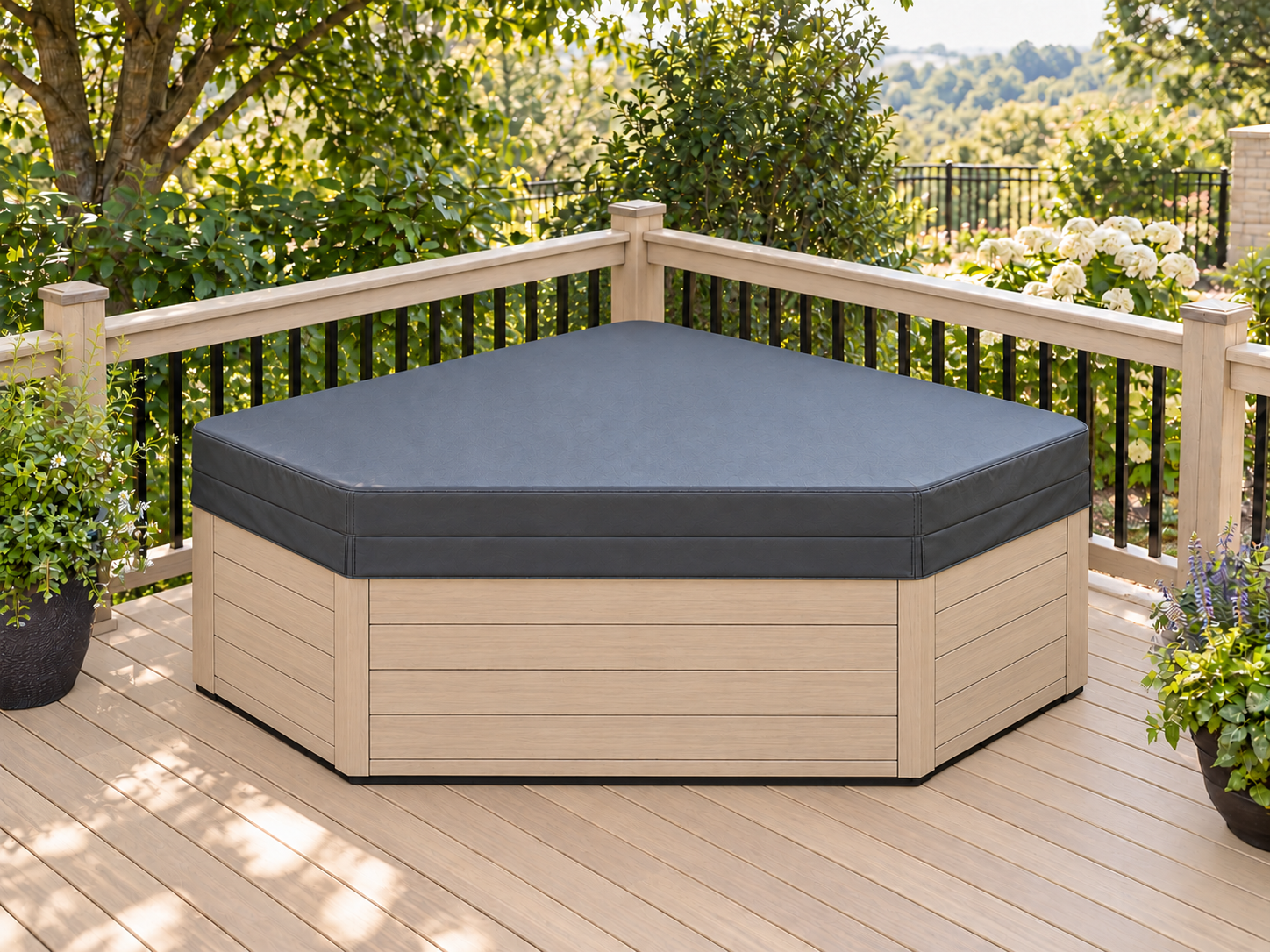
Why Your Exact Model Matters
The Hot Spot lineup includes several models across different sizes, including the Tempo, one of the larger spas in the series at roughly 7.5 feet square with 45 jets. Each model has its own specific cover dimensions, and a cover made for one model will not properly fit a different one, even if they look similar in photos. Confirming your exact model before ordering is the single most important step in this whole process, since even a small mismatch in dimensions leaves gaps that undermine the whole point of having a cover.
Finding Your Model and Dimensions
Check your spa's data plate, typically located inside the equipment access panel, for the model name. Tempo model covers, for reference, run 89 inches by 89 inches. Other models in the lineup use their own specific dimensions, so do not assume a similar-looking spa uses the same size cover. If your data plate is worn or missing, your original sales paperwork or a Hot Spring dealer (Hot Spot is part of the broader Hot Spring family of brands) can typically confirm your exact model and year.
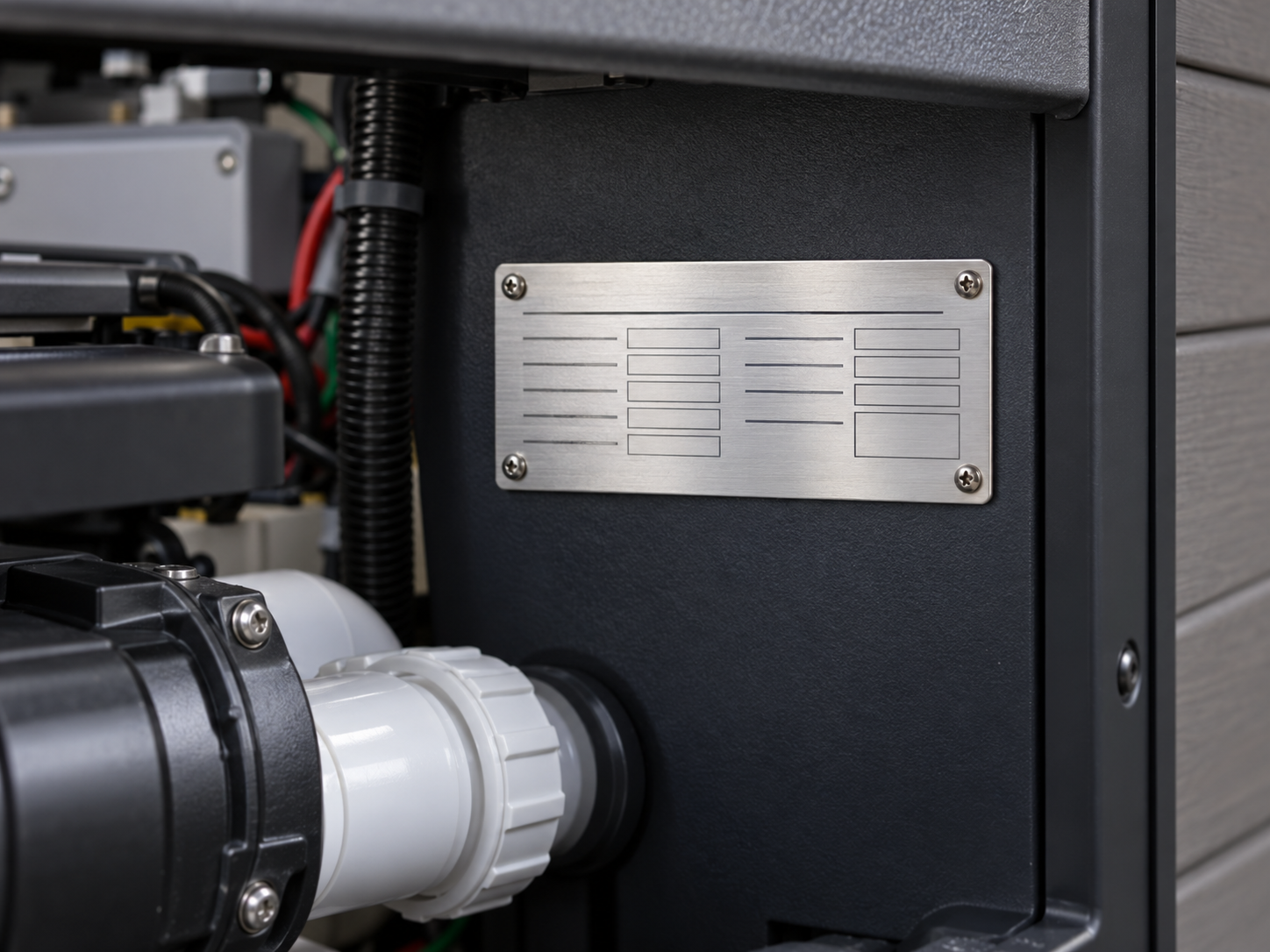
Measuring Your Current Cover or Your Spa
If your existing cover is still reasonably close to its original shape, it is usually the easiest reference for ordering a replacement. If it has visibly warped, sagged, or shrunk, measure your spa directly at the top of the cabinet instead. Either way, note the overall length and width, the corner shape and radius, the skirt depth along the sides, and the foam thickness at both the center fold and the outer edges, since covers taper from thicker in the middle to thinner at the edges.
Construction Features Worth Checking
Marine-Grade Vinyl
Look for vinyl in the 28 to 30 ounce range with UV protectant built in. Standard vinyl degrades and cracks noticeably faster under continuous outdoor sun exposure than marine-grade material designed specifically for this use.
High-Density Foam Core
Foam density (measured in pounds per cubic foot) is a better predictor of insulation performance and longevity than thickness alone. Higher-density foam resists water absorption and compression better over repeated seasons, which translates directly to better energy savings and a longer service life before you need to replace the cover again.
Reinforced Seams and Zippers
Double-stitched seams and heavy-duty zipper hardware hold up considerably longer than lighter-weight construction, particularly at stress points like corners and the hinge fold, which flex every single time the cover is opened and closed.
Locking Straps
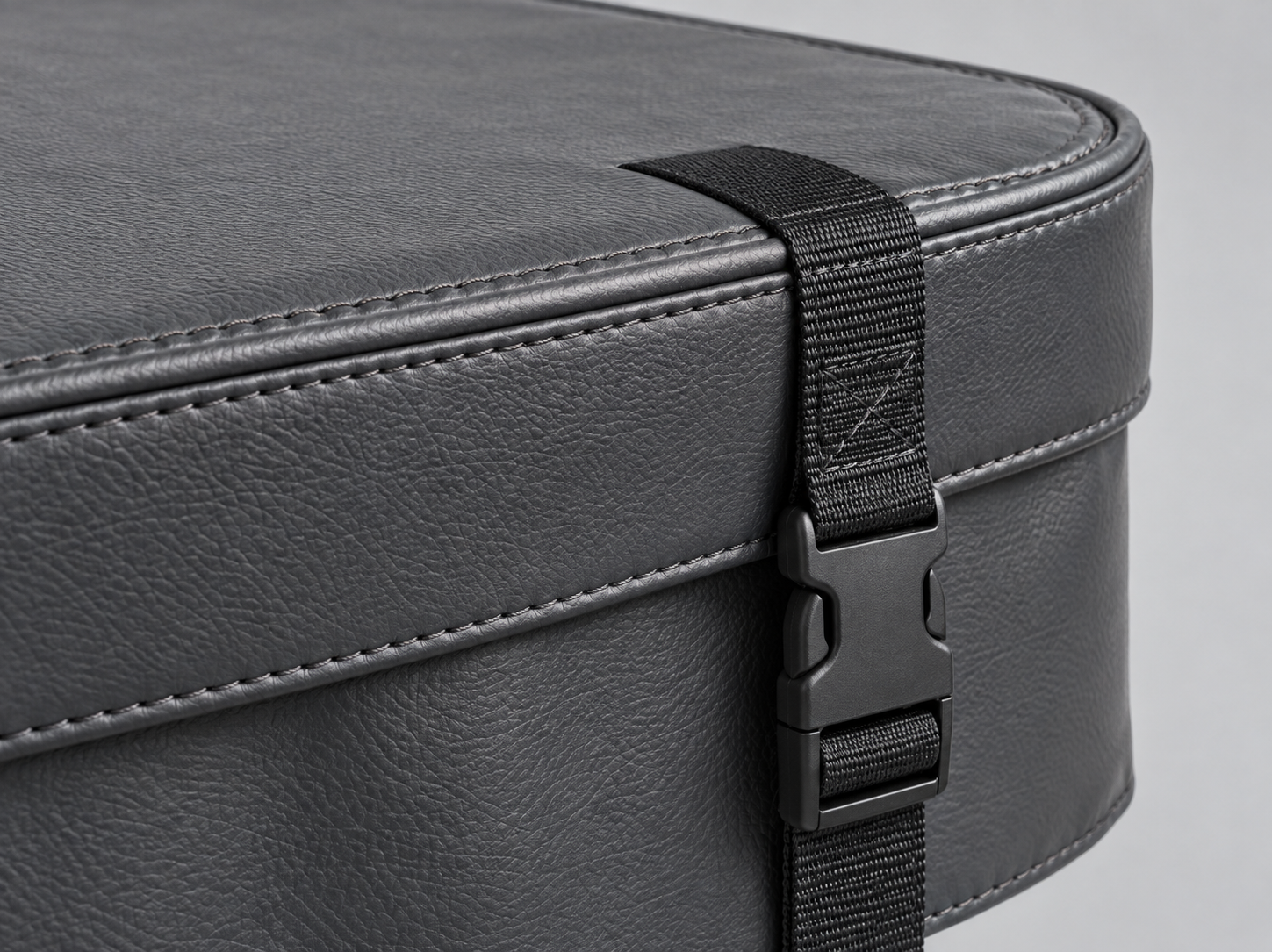
A minimum of four reinforced tie-down straps with locking hardware should come standard, both to secure the cover in wind and as a genuine safety feature that helps keep unsupervised access to the spa restricted.
Cover Lifters and Daily Handling
A cover lifter is a separate accessory, but it directly affects how long a new cover actually lasts. Repeatedly dragging a heavy foam cover against a rough deck edge, or leaning it against a fence or railing, puts unnecessary stress on seams and vinyl over time. A properly mounted lifter supports the cover evenly while it is open and makes daily handling considerably easier, particularly for a larger model like the Tempo, where the cover itself is heavier simply due to the spa's larger overall size.
Considering a Rollaway Option
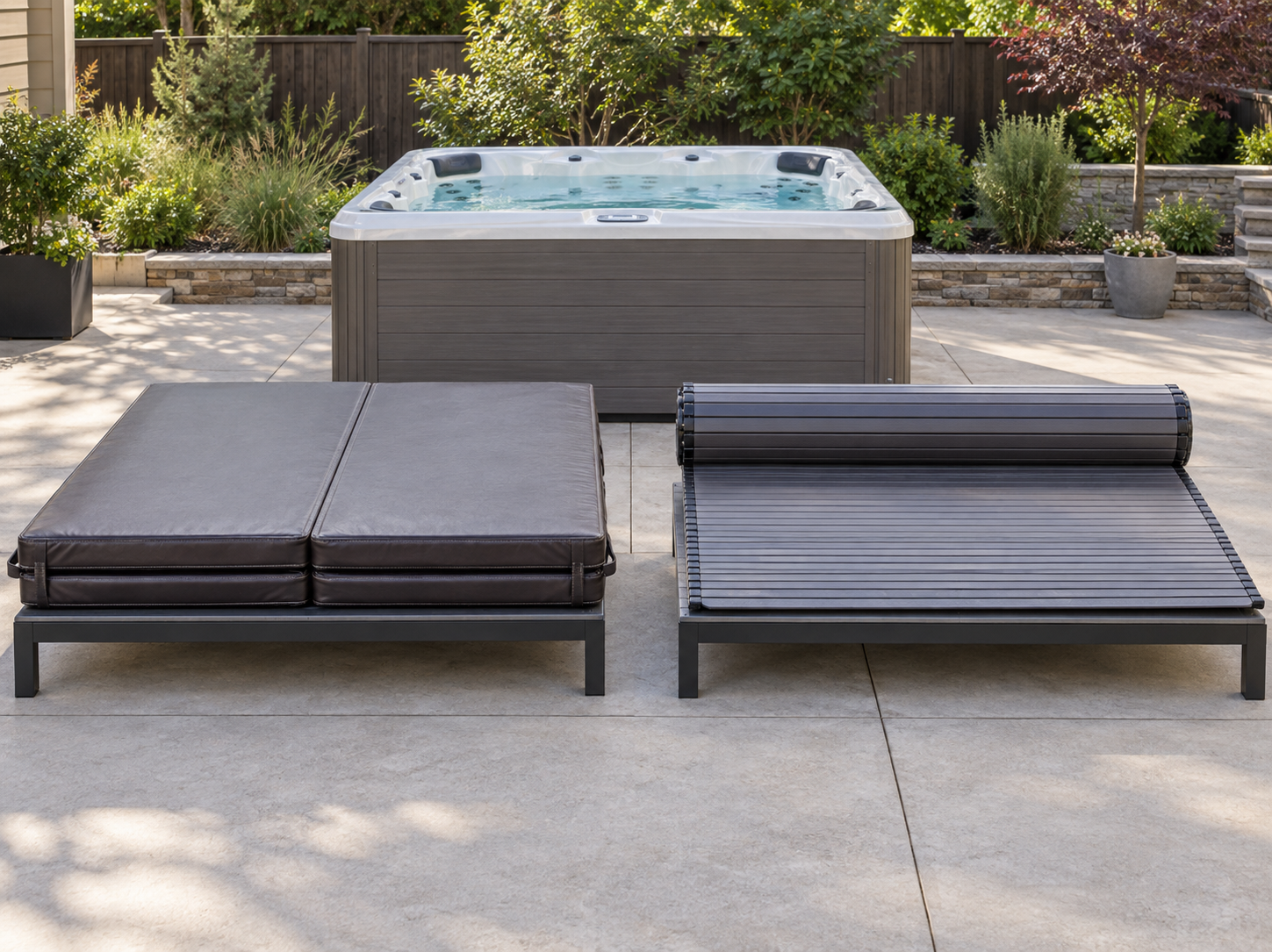
Some Hot Spring family spas, including certain Hot Spot models, offer a rollaway cover option using a flexible waterproof material that rolls back on a frame rather than folding and lifting off to one side. This is worth considering if you regularly soak alone or have limited deck space to fold a traditional cover into. The tradeoff is a modest reduction in raw insulation compared to a full-thickness rigid foam core. For maximum heat retention, a traditional foam cover remains the stronger choice; for daily convenience, a rollaway option is a reasonable trade for owners who prioritize ease of use.
Warranty Length and What It Actually Covers
Genuine replacement covers for Hot Spring family spas, including Hot Spot models, often carry warranties in the range of 10 years, which is a meaningful signal of confidence in the materials. What matters even more than the length is what the warranty actually covers. Protection against water absorption specifically is the clause worth confirming, since that is the failure mode that ends most covers' useful life well before general wear and tear would.
Energy Savings From Replacing a Degraded Cover
A cover that no longer seals properly can meaningfully increase what it costs to run your spa, since the water's surface accounts for the majority of potential heat loss on a spa with a compromised cover. Replacing a failing cover with a properly fitted, well-insulated one is one of the more directly cost-effective upgrades available to a Hot Spot owner, often paying back a meaningful share of its cost in reduced energy use over a normal season of ownership.
When to Repair Versus Replace
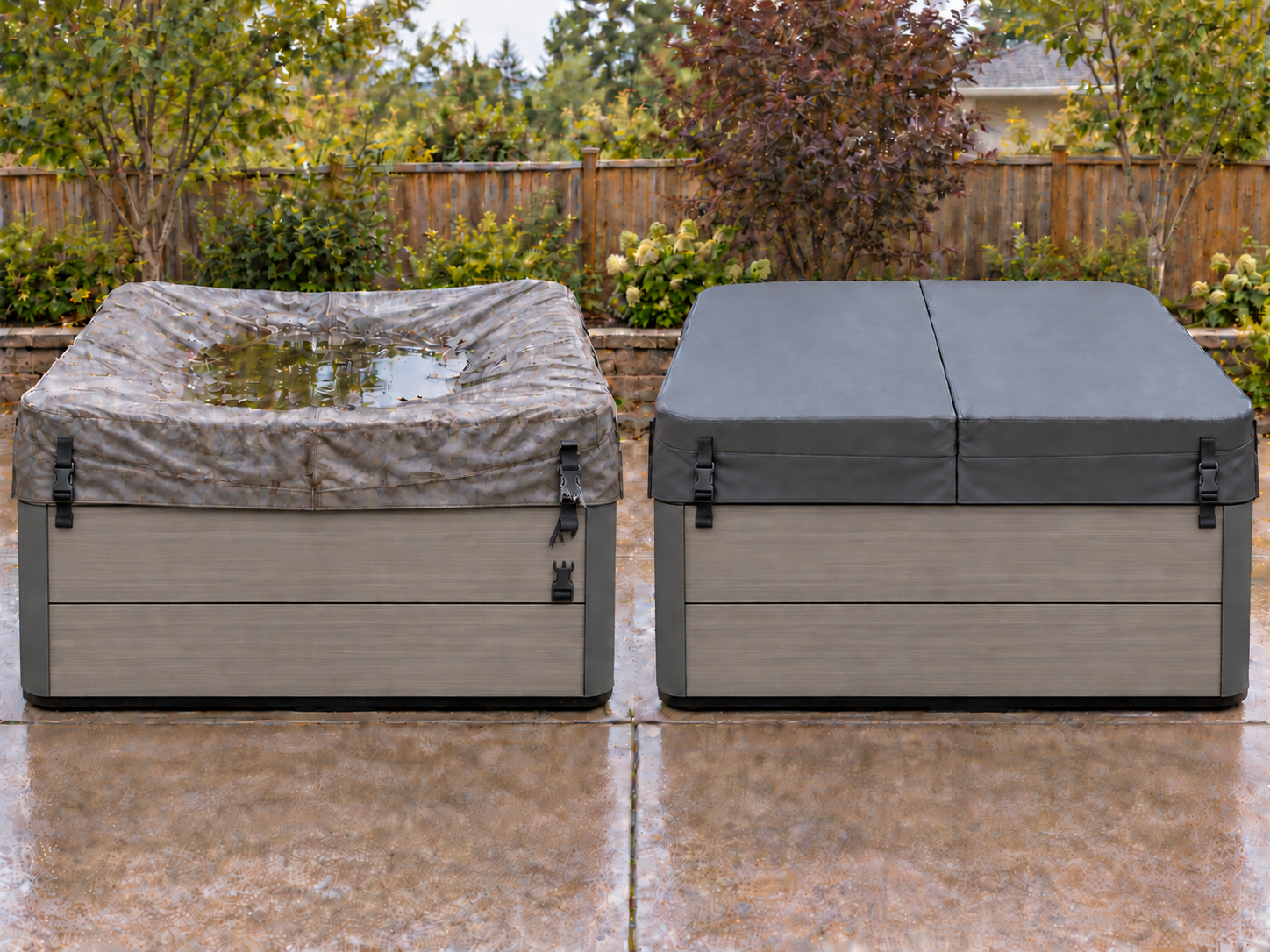
A small vinyl tear or a failed zipper is often a reasonable candidate for a patch or minor repair rather than a full replacement. But once a cover feels noticeably heavier than it did when new, sags visibly when lifted, or develops a persistent musty smell, that typically signals water has already worked its way into the foam core. At that point, repair is rarely cost-effective, and a full replacement is the better investment.
Ordering Timeline
Replacement covers are generally made to order for your specific model, which means real production and shipping time rather than same-week delivery. Order as soon as you notice meaningful degradation rather than waiting for a complete failure, particularly heading into fall, when cover manufacturers tend to see a seasonal increase in order volume from owners preparing for colder weather.
Frequently Asked Questions
How do I find my exact Hot Spot model before ordering?
Check your spa's data plate inside the equipment access panel, or consult your original sales paperwork. A Hot Spring dealer can typically confirm your model and year from a serial number if the plate is worn or missing.
Are all Hot Spot spa covers the same size?
No. Different models in the lineup use different dimensions, so always confirm your specific model rather than assuming a standard size applies across the whole Hot Spot series.
What warranty coverage should I look for on a replacement cover?
Beyond the overall length, confirm the warranty specifically covers water absorption, which is the most common real-world way covers fail before their expected lifespan.
How much can a new cover actually reduce my energy costs?
It depends on how degraded your current cover has become, but since the water surface accounts for most potential heat loss, a properly sealed replacement can produce a meaningful, measurable reduction in energy use.
Should I repair a small issue myself or replace the whole cover?
A small vinyl tear or zipper problem can often be patched if the foam underneath is still dry. Added weight, sagging, or a musty smell point to water already in the foam core, at which point replacement is the better choice.
Is a rollaway cover a good fit for a larger model like the Tempo?
It can be, especially if lifting a heavier traditional cover has become a hassle. Just weigh the added convenience against the modest reduction in raw insulation compared to a full-thickness foam core.
Getting a Hot Spot replacement cover right comes down to confirming your exact model, measuring carefully, and choosing genuine construction quality (marine-grade vinyl, high-density foam, and solid stitching) backed by a warranty that actually protects against the most common failure mode. Get those details right, pair the new cover with proper handling, and it should perform well for years to come.