
Understanding Your Hot Spot Spa's Energy Smart Features: Heater, Insulation, and SmartJet System
Posted by HTSS Team on Aug 24th 2026
Understanding Your Hot Spot Spa's Energy Smart Features: Heater, Insulation, and SmartJet System
A Hot Spot spa's energy efficiency isn't the result of one clever gadget. It's a handful of features working together, each trimming a bit of waste at a different point in the system. Knowing what those features actually do makes it much easier to spot when something's underperforming, and to make smart choices about day-to-day settings that keep your energy bill as low as the spa was designed to run.
This guide walks through the No-Fault heater, the pump shroud, the low-energy circulation pump, insulation and cover performance, the SmartJet system, and practical adjustments that squeeze more efficiency out of a spa that's already built to be efficient.
What "Energy Smart" Actually Means
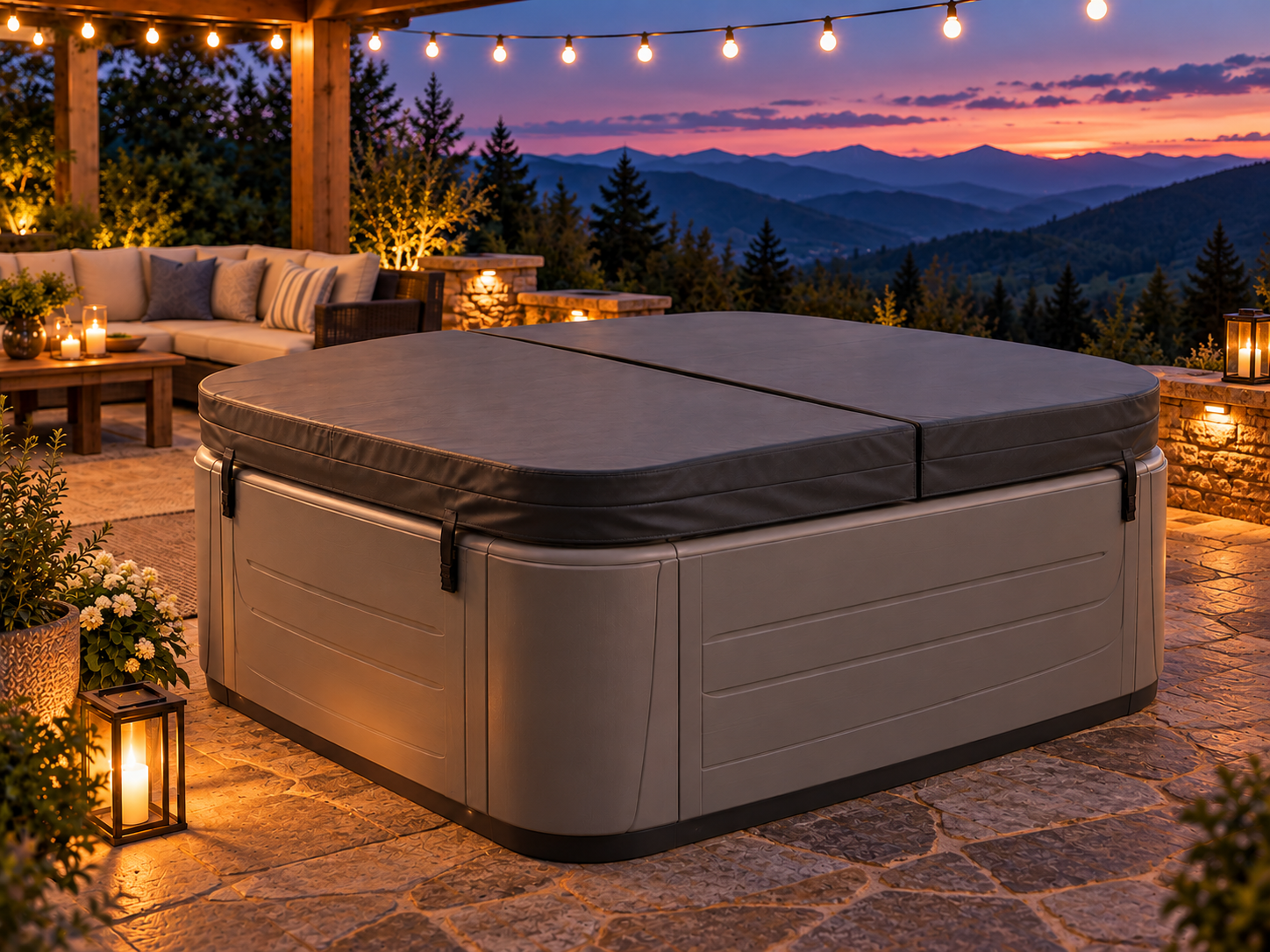
Energy Smart isn't a single part. It's the combined effect of several design choices aimed at the same goal: heat water efficiently, keep that heat from escaping, and avoid running equipment harder than necessary. Understanding each piece separately makes it easier to troubleshoot if your energy costs seem higher than expected, since a problem in any one area can undo the benefit of the others.
The No-Fault Heater
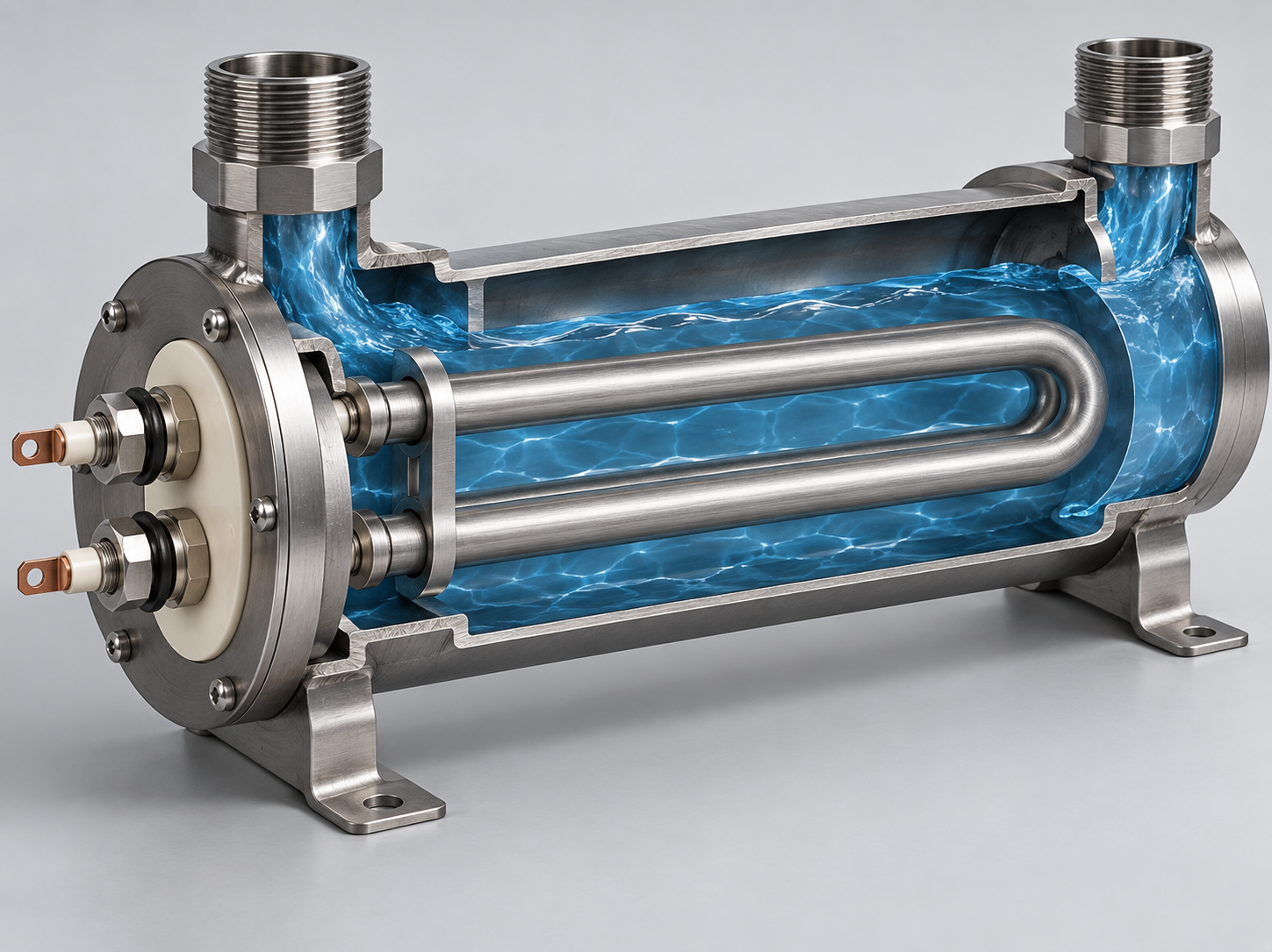
Double-Pass, Two-Stage Heating
The No-Fault heater warms water in two stages rather than one continuous pass, which allows it to transfer heat more efficiently than a simpler single-stage design. Water picks up heat progressively as it moves through the unit, which reduces the energy needed to reach and hold your target temperature compared to a heater working in a single pass.
Titanium Construction
The heating elements and housing are built from titanium specifically for corrosion resistance. This matters for efficiency as much as durability, corrosion and scale buildup on a heating element reduce heat transfer over time, forcing the heater to run longer to reach the same temperature. Titanium construction keeps that degradation from happening as quickly as it would with lower-grade materials.
The Pump Shroud: Recycled Heat
The equipment compartment generates heat simply from the pump and other components running, and in a standard setup that heat is wasted. The pump shroud captures that ambient heat and channels it back into the water rather than letting it dissipate into the equipment bay. It's a passive feature with no moving parts of its own, but it meaningfully reduces how hard the heater needs to work to maintain temperature.
Low-Energy Circulation Pump
Water needs to circulate periodically even when you're not actively using the jets, both for filtration and to let the heater sample and adjust temperature. A low-energy circulation pump handles this ongoing task using a small fraction of the power a standard jet pump would use for the same job, which adds up meaningfully over a spa's lifetime given how much more often circulation runs compared to the jets.
Full-Foam Insulation and the Cover's Role
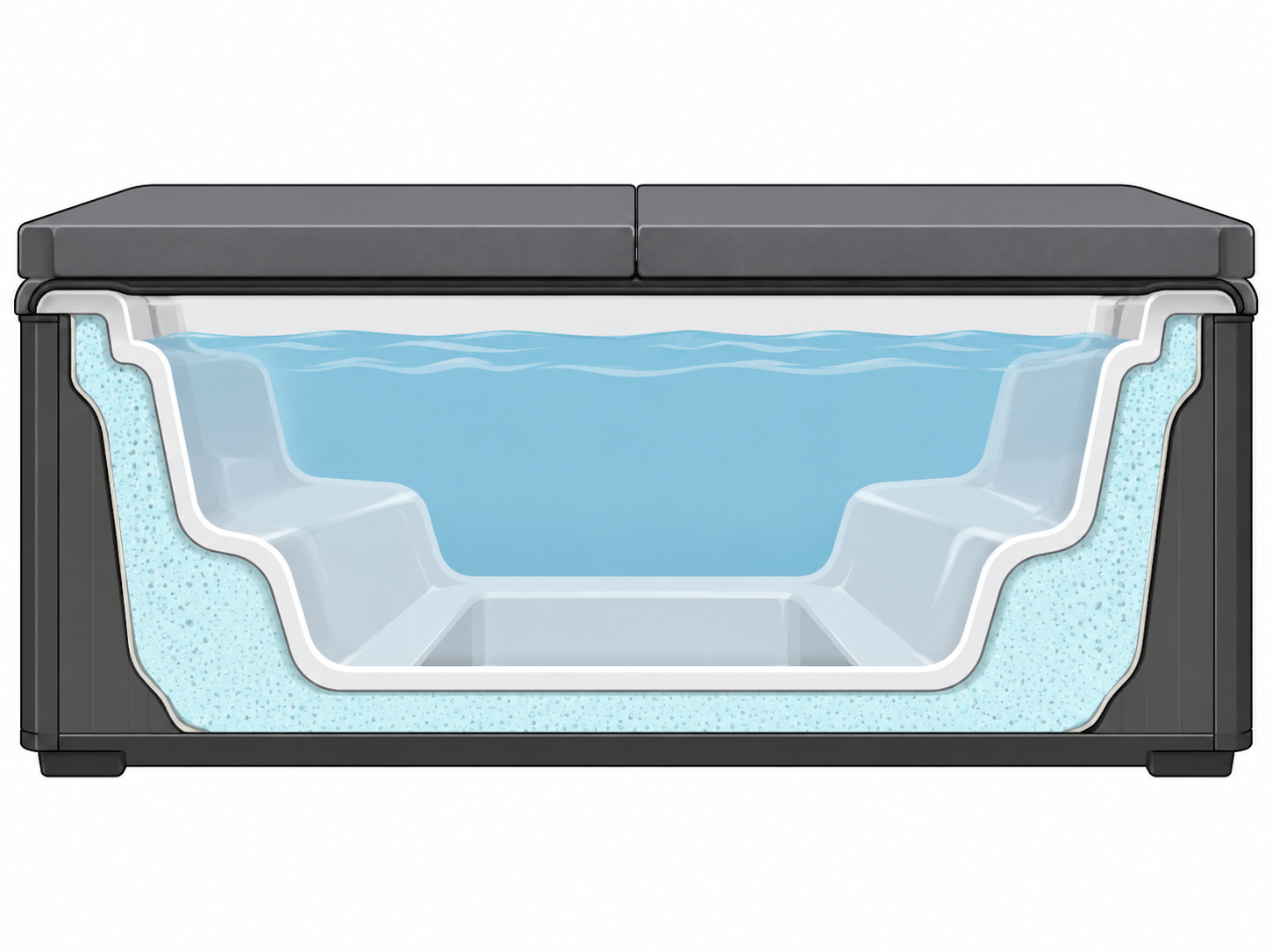
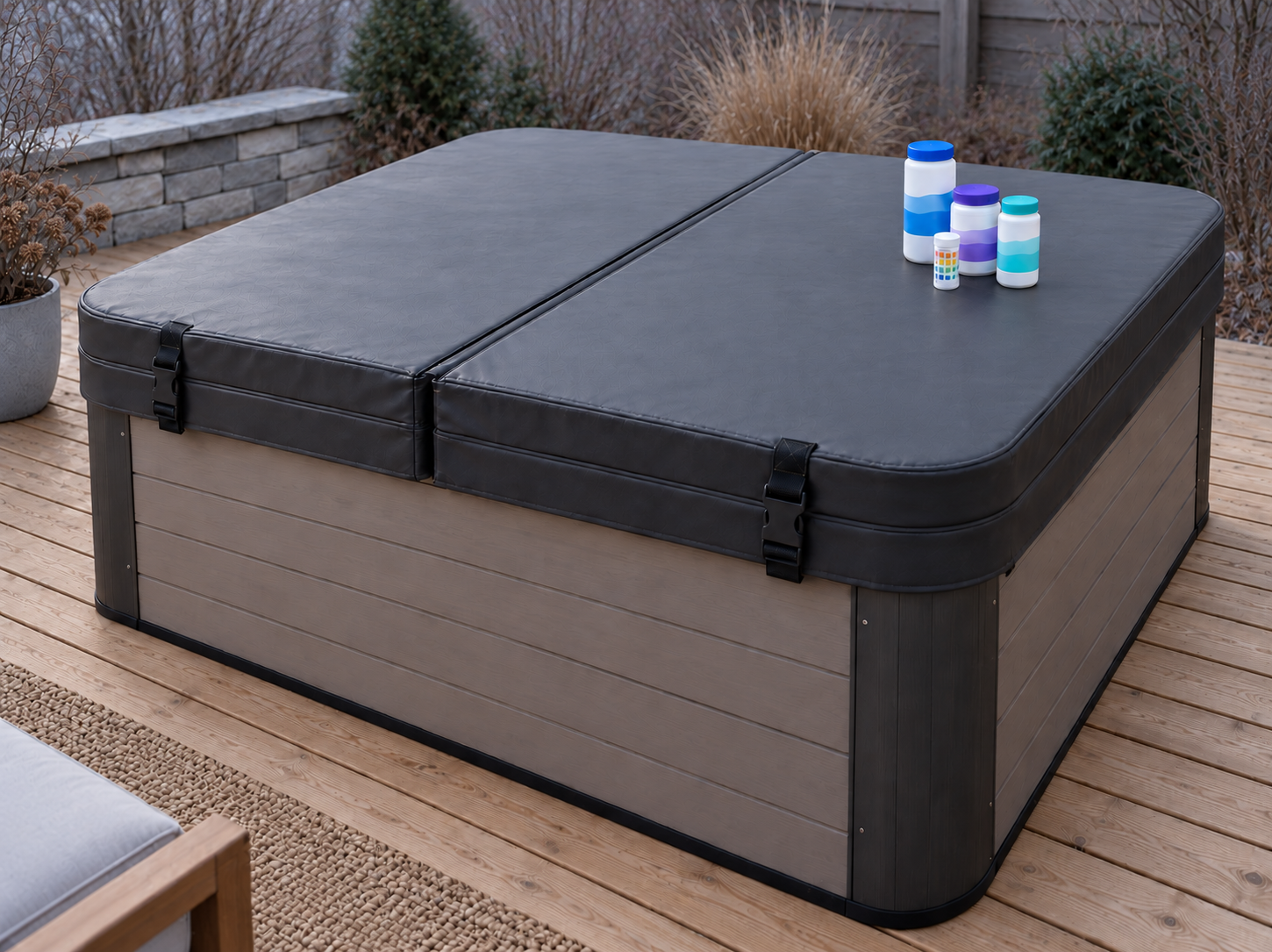
High-density, full-foam insulation surrounds the spa shell and plumbing, minimizing heat loss through the cabinet itself. But insulation only does half the job, a properly fitted, well-maintained cover handles the other half by sealing in heat at the water's surface, which is where the majority of heat loss actually happens on an uncovered or poorly sealed spa. A cover that's aging, waterlogged, or doesn't seal tightly undermines the insulation investment built into the spa itself, which is one of the more overlooked reasons an otherwise efficient spa starts costing more to run.
The SmartJet System
Choosing Which Jets Run
The SmartJet system lets you direct pump power only to the jet groups you're actually using, rather than running every jet in the spa regardless of how many seats are occupied. If you're soaking solo, there's no efficiency benefit to powering jets in an empty seat across the tub. Selecting just the zones you want not only feels more targeted for the massage experience, it also reduces the pump load for that session.
Seasonal Energy Considerations
Winter Operation
Cold weather is where the No-Fault heater, pump shroud, and full-foam insulation earn their keep the most, since the temperature difference between the water and the outside air is at its largest. A cover that's even slightly compromised costs noticeably more in winter than in mild weather, simply because there's more heat available to lose. This is the season where a quick cover inspection pays for itself fastest.
Summer Operation
In warmer months, the same insulation that keeps heat in during winter can occasionally make it harder to avoid overheating in extreme summer conditions, particularly for spas in direct sun with minimal shade. If your spa struggles to stay at a comfortable temperature in peak summer heat, running the circulation pump during cooler overnight hours and keeping the cover closed during the hottest part of the day both help moderate the swing.

Practical Ways to Lower Your Energy Bill Further
Keep the Cover in Good Condition
Since the cover handles the largest share of heat retention, a cracked, waterlogged, or poorly sealing cover erodes efficiency faster than almost any other single factor. Regular cleaning, protectant application, and prompt repair of tears keep it performing the way it's designed to.
Avoid Dropping Temperature for Short Absences
For trips of a few days or less, it's typically more energy-efficient to leave the spa at its normal set temperature than to lower it and reheat later, since reheating from a significantly colder temperature can use more energy than simply maintaining it. Reserve a lower temperature setting for longer absences.
Keep Filters Clean
A dirty filter forces the circulation pump to work harder to move the same amount of water, which chips away at the efficiency gains from the low-energy pump design. Regular filter cleaning keeps circulation running at the load it was designed for.
Use SmartJet Zone Selection Habitually
Making zone selection a normal part of starting a session, rather than defaulting to full-jet power out of habit, is a simple way to consistently shave energy use off each session without changing anything about the soak itself.
When to Suspect a Heater or Insulation Problem
A noticeably rising energy bill without a change in usage patterns is the first sign worth investigating. Check the cover for wear or waterlogging first, since it's the most common and least expensive fix. If the cover checks out, look for heater fault codes on the control panel, and pay attention to whether the water takes noticeably longer to reach temperature after a cover-off period than it used to. That can point to reduced heat transfer efficiency in the heater itself, often related to scale or age.
Parts and Chemicals That Keep the System Efficient
Efficiency and water chemistry are more connected than they might seem. Scale-forming water chemistry can affect heater performance over time, and a cover that's degraded from chemical exposure loses its sealing ability faster. Keeping properly balanced FreshWater Chemicals on hand, along with a quality replacement cover when the current one is nearing the end of its life, protects the energy-efficient design Hot Spot built into the spa in the first place. Prisco Hot Spot Supplies stocks Hot Spot Covers, spa parts, and FreshWater Chemicals sized specifically for these systems.
Frequently Asked Questions
Does using the SmartJet system to run fewer jets actually save meaningful energy?
Yes, running only the jet groups in use reduces pump load for that session, and the savings compound the more often you make it a habit rather than defaulting to full power every time.
Should I turn my spa off completely when I'm on vacation?
No, for most absences, maintaining a set temperature (or a modestly lowered one for longer trips) uses less energy overall than letting the spa go cold and fully reheating it later.
How do I know if my cover has stopped sealing properly?
Noticeable heat loss, a rising energy bill without a usage change, or visible gaps, warping, or added weight from water absorption are all signs the cover isn't sealing as well as it should.
Is the No-Fault heater the same across all Hot Spot models?
Design details can vary by model and year, so check your owner's manual for your specific spa, but the two-stage, titanium-element approach is the consistent principle behind the No-Fault name.
How often should I clean my filter to keep the pump running efficiently?
Follow your spa's recommended filter cleaning schedule, generally every few weeks, with full replacement on a longer cycle, a clogged filter is one of the fastest ways to quietly increase pump energy use.
Does running the spa in winter cost significantly more than in summer?
Yes, simply because the temperature difference between the water and the outside air is larger, which means more potential heat loss for the insulation and cover to guard against. A well-sealed cover matters even more in cold weather than in mild conditions.
A Hot Spot spa's efficiency comes from several features working in concert rather than any single part. Keep the cover in good condition, don't let the filter go too long between cleanings, use SmartJet zone selection as a habit, and treat a rising energy bill as a cue to check the cover and heater before assuming nothing can be done about it.